Imagine your horse feeling its best, galloping freely without the discomfort of inflammation. This vision is within reach, and antioxidants are key players in making it a reality.
You might wonder how these powerful compounds can enhance your horse’s health. The answer lies in their unique ability to combat inflammation, a common issue that can affect horses of all ages and breeds. By understanding how antioxidants work, you can unlock the secret to improving your horse’s vitality and well-being.
So, why not delve deeper into the fascinating world of antioxidants and discover how they can transform your horse’s health for the better?
Antioxidants And Their Role
Antioxidants help horses by reducing inflammation and protecting cells from damage. They support joint health and improve recovery. These nutrients are essential in maintaining the overall well-being of horses.
Antioxidants play a crucial role in maintaining the health and well-being of horses. These powerful compounds are essential in combating oxidative stress, which can lead to inflammation and various health issues. By understanding how antioxidants work, you can support your horse’s health and improve their quality of life.What Are Antioxidants?
Antioxidants are molecules that fight free radicals in the body. Free radicals are unstable atoms that can cause damage to cells, leading to inflammation and disease. Horses, like humans, are exposed to free radicals through environmental factors, stress, and exercise.How Antioxidants Help Horses
Incorporating antioxidants into your horse’s diet can help reduce inflammation. They neutralize free radicals, preventing them from causing harm. This can lead to improved recovery times, better immune function, and overall enhanced health.The Science Behind Antioxidants
Antioxidants work by donating an electron to free radicals. This stabilizes the free radicals and prevents them from damaging cells. Vitamins E and C are examples of antioxidants commonly used for horses.Personal Experience: My Horse’s Journey
I noticed my horse was frequently fatigued and slow to recover after exercise. Adding antioxidants to his diet made a significant difference. Within weeks, his energy levels improved, and he seemed happier and more active.Choosing The Right Antioxidants
Not all antioxidants are created equal. It’s important to choose those that are proven to benefit horses. Look for supplements containing Vitamin E, C, and selenium. Consult with your vet to ensure you’re meeting your horse’s needs.Practical Tips For Adding Antioxidants
Adding antioxidants to your horse’s diet doesn’t have to be complicated. You can start with simple changes like incorporating antioxidant-rich foods or supplements. Always introduce new elements gradually to monitor your horse’s response.Why Should You Care?
Inflammation can lead to more serious health issues if not managed. By focusing on antioxidants, you can enhance your horse’s health and longevity. Are you doing everything you can to protect your horse from the inside out? Understanding the role of antioxidants in fighting inflammation can empower you to make better health choices for your horse. With the right approach, you can ensure your horse leads a healthier, happier life. Are you ready to make the change?
Credit: www.amazon.com
Inflammation In Horses
Antioxidants help reduce inflammation in horses by neutralizing harmful free radicals. These compounds support overall health and improve recovery. A diet rich in antioxidants can enhance equine wellbeing.
Inflammation in horses is a common issue that can impact their overall health and performance. This condition occurs when the horse’s body reacts to injuries, infections, or irritants, often leading to discomfort and a decrease in their ability to perform. Understanding the root causes and recognizing the symptoms early on can help you take prompt action to ensure your horse’s well-being.Causes Of Inflammation
Inflammation in horses can arise from various sources. Injuries are a primary cause, whether from a fall during training or a minor scrape while grazing. Infections can also trigger inflammation, as the immune system responds to pathogens. Additionally, environmental factors like poor bedding or exposure to harsh weather can contribute to inflammatory responses. Consider your horse’s diet and lifestyle. Nutritional deficiencies or an imbalance in their diet may lead to inflammation. Moreover, stress from changes in routine or environment can also be a contributing factor.Common Symptoms
Recognizing the symptoms of inflammation is crucial for early intervention. Swelling in the affected area is a clear indicator. You might also notice heat emanating from the site of inflammation, which is a natural response of the body’s healing process. Pain and discomfort are common symptoms, often leading to a change in behavior. Your horse might become less active or show reluctance to move. Keep an eye out for any stiffness, particularly after a period of rest, as this can signal underlying inflammation. Have you noticed your horse exhibiting any of these symptoms? Early detection can make a significant difference in their recovery process. By staying vigilant and informed, you can help ensure your horse remains healthy and happy.Mechanism Of Antioxidants
Understanding how antioxidants work can help horse owners manage equine health better. Antioxidants play a vital role in fighting inflammation by neutralizing harmful molecules. These molecules, known as free radicals, can cause damage to cells. The process involves several mechanisms that support the horse’s immune system.
Neutralizing Free Radicals
Free radicals are unstable molecules that can harm cells. Antioxidants stabilize these molecules, preventing cellular damage. They donate electrons to free radicals, neutralizing them. This stops the chain reaction of damage in the horse’s body. A steady supply of antioxidants can protect tissues from oxidative stress.
Boosting Immune Response
Antioxidants enhance the horse’s immune system. They help maintain the integrity of immune cells. A strong immune system reduces inflammation and supports overall health. By supporting immune function, antioxidants help horses recover faster. This protective effect keeps horses healthier and more active.

Credit: njaes.rutgers.edu
Key Antioxidants For Horses
Antioxidants play a crucial role in reducing inflammation in horses. They combat oxidative stress, improving overall health. Vitamins C and E, selenium, and beta-carotene are key antioxidants that aid in minimizing tissue damage and promoting recovery.
Horses, like humans, can experience inflammation, which can affect their overall health and performance. Antioxidants play a crucial role in combating this inflammation, helping to maintain your horse’s wellbeing. Understanding which antioxidants are key for your horse can make a significant difference in their health. Below are some essential antioxidants that can help fight inflammation in horses.Vitamin E
Vitamin E is a powerful antioxidant that supports the horse’s immune system. It helps to reduce oxidative stress caused by free radicals, which can contribute to inflammation. Horses that graze on fresh pasture typically receive enough Vitamin E, but those with limited access may need supplements. If you’ve noticed your horse is sluggish or has a dull coat, it might be a sign of Vitamin E deficiency. Consult with your vet to assess their levels and discuss supplementation options. Keeping Vitamin E levels adequate can lead to a noticeable improvement in your horse’s vitality.Vitamin C
Vitamin C is not just for humans; it plays an important role in your horse’s health too. Unlike humans, horses can synthesize Vitamin C naturally, but stress or illness can deplete their levels. Supplementing Vitamin C can help boost their immune response and reduce inflammation. Consider adding Vitamin C to your horse’s diet if they are recovering from an illness or under stress. This can help them bounce back faster and maintain a healthy immune system. Always ensure you provide the right dosage to avoid over-supplementation.Selenium
Selenium works in tandem with Vitamin E to protect cells from damage and support the immune system. It is essential for maintaining a healthy muscle function and preventing oxidative stress. However, it’s crucial to get the balance right, as too much selenium can be toxic. If you’re feeding your horse a commercial feed, check the selenium content to avoid over-supplementation. You might have heard of cases where horses got sick from too much selenium. Always consult with a veterinarian before making any changes to your horse’s diet. By focusing on these key antioxidants, you can help manage inflammation and improve your horse’s quality of life. Have you ever noticed a difference in your horse’s behavior or performance after adjusting their diet? Your observations can guide you in making informed decisions for their health.Benefits Of Antioxidants
Antioxidants play a crucial role in maintaining the health of horses by combating inflammation. When you understand the benefits of antioxidants, you’ll see how they can significantly improve your horse’s well-being. These compounds help in reducing oxidative stress, enhancing recovery, and more. Let’s delve into how these benefits can be a game-changer for your equine friend.
Reducing Oxidative Stress
Oxidative stress can be likened to rust on metal—it gradually damages cells and tissues. In horses, this stress can lead to inflammation and various health issues. Antioxidants act as a defense mechanism, neutralizing harmful free radicals that cause oxidative stress.
Imagine your horse feeling more energetic and less prone to illnesses. That’s the power of reducing oxidative stress with antioxidants. You can support this by introducing antioxidant-rich foods like berries and leafy greens into their diet. It’s a simple step that can make a big difference.
Enhancing Recovery
After a long day of training or competition, your horse needs to recover efficiently. Antioxidants facilitate this process by repairing damaged cells and tissues. They support the horse’s immune system, helping it bounce back faster.
Think about your horse recovering like a well-oiled machine. Enhanced recovery means fewer days off and more time for healthy activity. You can aid this by providing supplements rich in vitamins C and E, known for their antioxidant properties. How much faster could your horse return to peak performance with this support?
Incorporating antioxidants into your horse’s diet isn’t just about immediate benefits. It’s about ensuring their long-term health and vitality. As you explore ways to enhance their diet, consider the transformative impact of these powerful compounds. What’s one small change you can make today that will have lasting benefits for your horse?

Credit: www.facebook.com
Sources Of Antioxidants
Antioxidants like vitamins C and E, selenium, and flavonoids help horses by reducing inflammation naturally. These nutrients fight harmful molecules, protecting cells and supporting the immune system. Fresh fruits, vegetables, and supplements provide these essential antioxidants.
Antioxidants play a crucial role in combating inflammation in horses. They help neutralize harmful free radicals, reducing oxidative stress and promoting overall health. Knowing where to find these powerful compounds can make a significant difference in your horse’s wellbeing. Let’s explore some reliable sources of antioxidants that can be easily integrated into your horse’s diet and supplementation routine.Dietary Sources
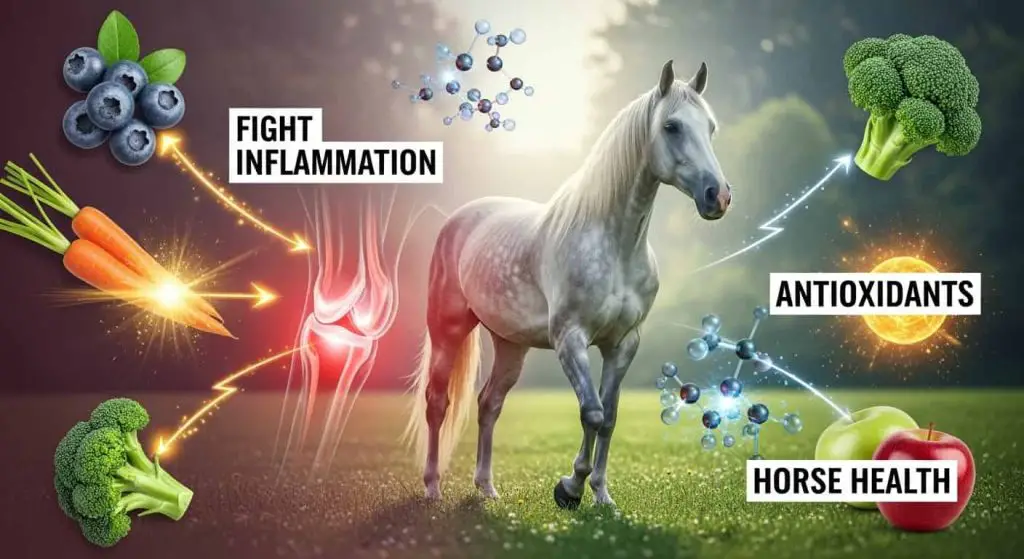
You can find antioxidants in various natural food sources. Fresh fruits and vegetables are excellent choices. For horses, apples and carrots are not only tasty but also rich in beneficial compounds. Consider adding a mix of herbs to your horse’s diet. Rosemary and turmeric are known for their antioxidant properties. These herbs can enhance your horse’s meals while supporting their health. Grains and seeds are another great source. Flaxseed, in particular, is packed with antioxidants. It can be easily added to your horse’s feed, providing a nutritional boost.Supplementation Options
Sometimes, it’s challenging to ensure your horse gets enough antioxidants through diet alone. Supplements can help fill this gap. There are many products available specifically designed for equine health. Look for supplements that contain Vitamin E and Selenium. These nutrients are essential for reducing inflammation and supporting immune function. They are often found together in many equine antioxidant formulas. Before introducing any supplements, consult with a veterinarian. They can provide personalized advice based on your horse’s specific needs and health conditions. This ensures that you’re making the best choice for your horse’s wellbeing. As you consider these options, think about your horse’s daily routine. Are you providing enough antioxidant-rich foods? Could supplements enhance their diet? Your horse’s health is worth the extra attention.Implementing Antioxidants In Diet
Antioxidants play a key role in reducing inflammation in horses. By neutralizing harmful free radicals, they help protect cells from damage. Including antioxidant-rich foods in a horse’s diet can support their overall health and well-being.
Implementing antioxidants in a horse’s diet can be a game-changer for their health, particularly in fighting inflammation. Horses, like humans, face various health challenges, and inflammation is a common issue that can affect their overall well-being. Antioxidants play a crucial role in neutralizing harmful free radicals in the body, thus reducing inflammation. But how can you effectively add antioxidants to your horse’s diet? Let’s explore practical ways to ensure your horse gets the right amount of these vital nutrients.Balanced Nutrition Tips
Start by introducing antioxidant-rich foods into your horse’s meals. Fresh fruits and vegetables like carrots, apples, and berries are excellent sources. You can also consider adding supplements specifically designed for horses, ensuring they contain vitamins C and E, selenium, and flavonoids. Be mindful of the quantities. Overloading your horse’s diet with antioxidants can be just as harmful as not having enough. Consult with a veterinarian to establish the right balance, tailored to your horse’s specific needs and lifestyle. Introduce new foods gradually. Horses have sensitive digestive systems, and sudden changes can cause stress. A slow introduction allows their bodies to adapt, minimizing potential digestive issues.Monitoring And Adjustments
Keep a close eye on your horse’s response to the dietary changes. Are they showing signs of improved vitality or reduced inflammation? Observing these changes can help determine if the current diet is effective. Adjust as needed based on your horse’s behavior and health indicators. If you notice any adverse effects, reassess the quantities or types of antioxidants being provided. Regular check-ups with your vet are invaluable. They can offer insights and recommend adjustments, ensuring your horse maintains optimal health. Implementing antioxidants in your horse’s diet requires careful planning and observation. Are you ready to see the positive impact of antioxidants on your horse’s health?Research And Findings
Research shows antioxidants play a crucial role in combating inflammation. Horses often face inflammation due to exercise or environmental factors. Understanding how antioxidants aid in reducing inflammation is vital. Recent studies and expert opinions shed light on this topic.
Recent Studies
Recent studies highlight the benefits of antioxidants for horses. Researchers found antioxidants help reduce oxidative stress. This stress can lead to inflammation. By neutralizing free radicals, antioxidants protect cells from damage. Studies also show improvements in horse recovery times. Antioxidants help maintain healthy tissue and support joint health.
Expert Opinions
Experts agree antioxidants are beneficial for horses. Veterinarians emphasize their importance in horse diets. They believe antioxidants help in maintaining overall health. Nutritionists recommend foods rich in antioxidants. Such foods include berries and leafy greens. Experts also suggest supplements for horses lacking these nutrients.
Frequently Asked Questions
What Are Antioxidants In Horses?
Antioxidants are substances that help neutralize harmful free radicals in a horse’s body. They protect cells from oxidative stress and inflammation. Common antioxidants include vitamins C and E, selenium, and flavonoids. These nutrients can support a horse’s overall health and reduce inflammation.
How Do Antioxidants Reduce Inflammation In Horses?
Antioxidants reduce inflammation by neutralizing free radicals that cause oxidative damage to cells. This process helps lower inflammatory responses. By decreasing oxidative stress, antioxidants support the horse’s immune system. This can lead to reduced inflammation and improved recovery from injuries or illnesses.
Why Is Inflammation Harmful To Horses?
Inflammation can lead to pain, swelling, and reduced mobility in horses. Chronic inflammation may cause long-term health issues such as joint damage or metabolic disorders. Managing inflammation is crucial for maintaining a horse’s well-being and performance. Antioxidants play a key role in controlling inflammation naturally.
Which Foods Are Rich In Antioxidants For Horses?
Foods like carrots, apples, and leafy greens are rich in antioxidants. Additionally, supplements containing vitamins C and E, as well as selenium, are beneficial. These foods and supplements help in reducing inflammation and maintaining overall health. Including them in a horse’s diet can support its immune system effectively.
Conclusion
Antioxidants play a crucial role in reducing inflammation in horses. They support healthy cells and combat harmful free radicals. This helps maintain a horse’s overall wellness. Improved cell health leads to better performance and comfort. Including antioxidant-rich foods in a horse’s diet is beneficial.
Natural sources like fruits and vegetables are ideal. Regular checks with a vet ensure your horse gets the right balance. A healthy diet, rich in antioxidants, keeps horses strong and active. Understanding these benefits aids in caring for your horse effectively.
Prioritizing their health leads to a happier, healthier horse.